
What We Offer

Luxury Services
Premium Dental and Cosmetic Treatments
GENERAL DENTISTRY
Treat Your Smile
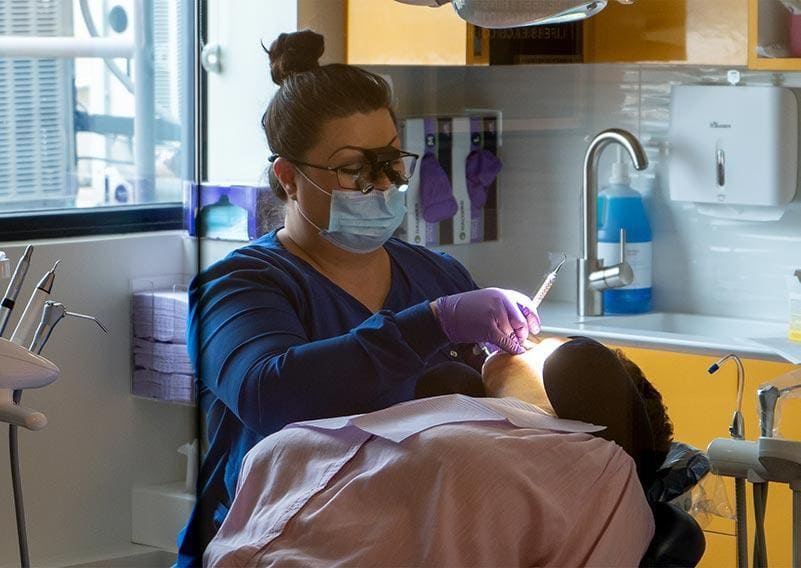
We not only treat your smile, we treat your entire body. Did you know your oral health can greatly impact your overall health, general well-being and quality of life? That’s why taking an active role in keeping your teeth and gums healthy today is more important for your tomorrow than ever before. Gum disease, tooth decay, and oral cancer can damage your smile and lead to detrimental health issues with your body.
ASK ABOUT:
Dental Implants, Bridges, Root Canal Therapy, Extractions, Full Mouth Rehabilitation, Dentures, Metal-Free Restorations, Oral Cancer Screening
Dental Implants
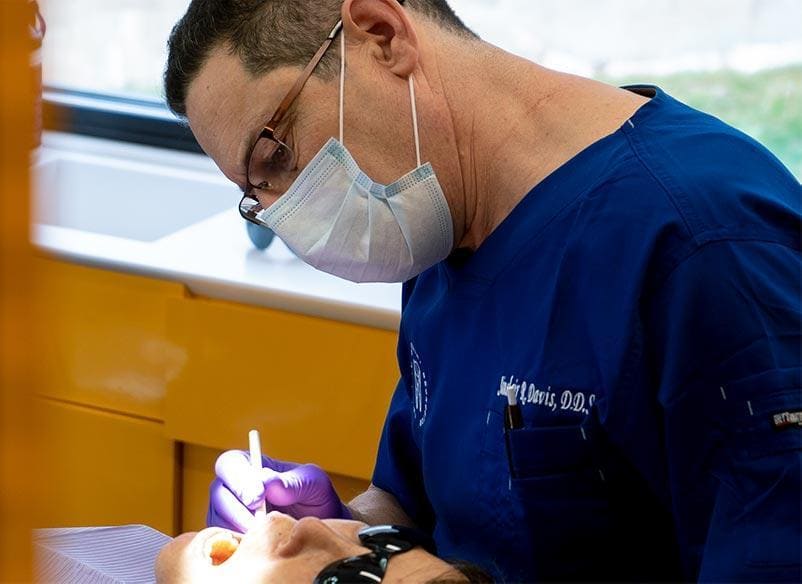
Dental implants are designed to provide a foundation for replacement teeth that look, feel and function like natural teeth. The person who has lost teeth regains the ability to eat virtually anything and can smile with confidence, knowing that teeth appear natural and that facial contours will be preserved. The implants are tiny titanium posts which are placed into the jaw bone where teeth are missing. The bone bonds with the titanium, creating a strong foundation for artificial teeth. In addition, dental implants can help preserve facial structure, preventing the bone deterioration which occurs when teeth are missing.
Dental implants are changing the way people live! With them, people are rediscovering the comfort and confidence to eat, speak, laugh and enjoy life.

Evaluation for Dental Implants
Dental Implant Procedure
Dental implants are metal anchors, which act as tooth root substitutes. They are surgically placed into the jaw bone. Small posts are then attached to the implant, which protrude through the gums. These posts provide stable anchors for artificial replacement teeth.
For most patients, the placement of dental implants involves two surgical procedures. First, dental implants are placed within your jaw bone. For the first three to six months following surgery, the implants are beneath the surface of the gums, gradually bonding with the jaw bone. You should be able to wear temporary dentures and eat a soft diet during this time. At the same time, your restorative dentist designs the final bridgework or denture, which will ultimately improve both function and aesthetics.
After the dental implant has bonded to the jaw bone, the second phase begins. The surgeon will uncover the implants and attach a small healing collar. Dr. Davis can then start making your new teeth. An impression must be taken. Then posts or attachments can be connected to the implants. The replacement teeth are then made over the posts or attachments. The entire procedure usually takes six to eight months. Most patients do not experience any disruption in their daily life.
Restorative Dentistry
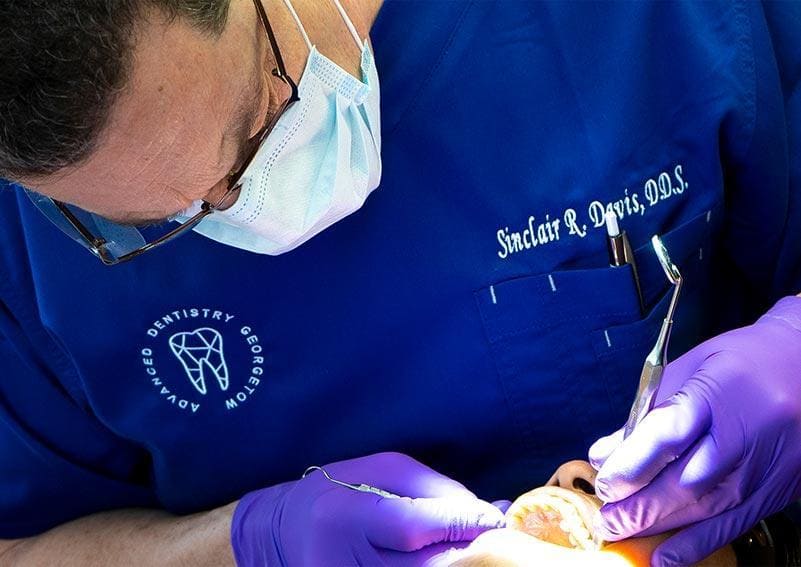
Restorative Dentistry
- Dental Fillings
- Dental Implants
- Dental Bridges
- Dental Crowns
- Non-Surgical Root Canal
- Dentures
Non Surgical Root Canal
What is a root canal?
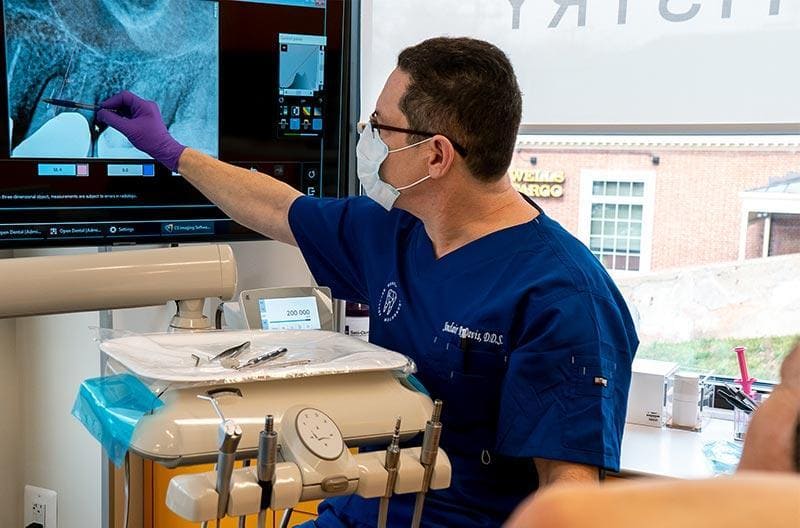
A root canal is one of the most common dental procedures performed, with well over 14 million performed every year. This simple treatment can save your natural teeth and prevent the need of dental implants or bridges.
At the center of your tooth is pulp. Pulp is a collection of blood vessels that helps to build the surrounding tooth. Infection of the pulp can be caused by trauma to the tooth, deep decay, cracks and chips, or repeated dental procedures. Symptoms of the infection can range from a sensitivity to temperature to unprovoked pain in the tooth and gums.
What happens after root canal treatment?
How much will root canal treatment cost?
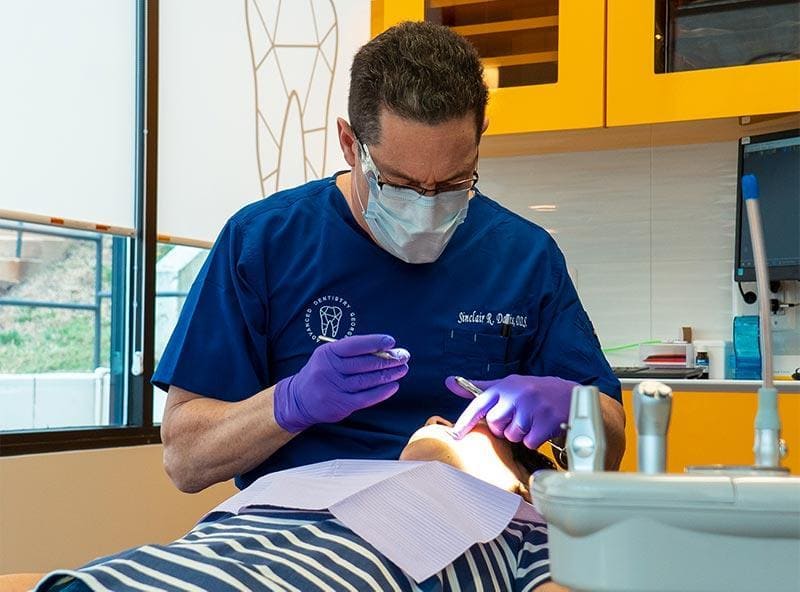
Dental Crowns
The care you need, where and when you need it
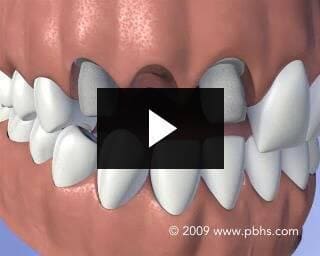
Dental Bridges
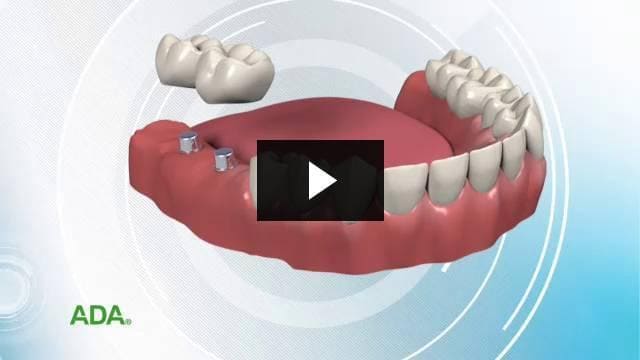
Dental Bridge Options
A dental bridge — a device used to replace missing teeth — attaches artificial teeth to adjacent natural teeth, called abutment teeth. Bridges are either permanently attached (fixed bridges), or they can be removable.
Fixed bridges are applied by either placing crowns on the abutment teeth or by bonding the artificial teeth directly to the abutment teeth. Removable bridges are attached to the teeth with metal clasps or by precision attachments.
If you’re missing one or more teeth, you may be aware of their importance to your appearance and dental health. Your teeth work together for many daily functions from eating to speaking. With missing teeth, it’s difficult to do these things. Missing teeth can and should be replaced. Fixed bridges are a great way to restore your dental health and appearance.
What exactly is a dental bridge or fixed partial denture?
Why do I need a dental bridge?
Oral functionality and appearance are important reasons for wearing a bridge. A bridge helps support your lips and cheeks. The loss of a back tooth may cause your mouth to sink and your face to look older.
Dental health is the most important reason for a bridge. Teeth were designed to complement each other. Unusual stresses are placed on the gums and other oral tissues when teeth are missing, causing a number of potentially harmful disorders.
Increased risk of gum disease has proven to be one of the worst side effects of missing teeth and can be minimized with a bridge.
Missing teeth can cause speech disorders as they are used to make many of the sounds we use to speak clearly.
How is a dental bridge attached?
The attachment procedure usually takes two or three appointments to complete. At the first appointment Dr. Davis will prepare the teeth on either side of the gap by removing a portion of the enamel and dentin.
Since the bridge must be fabricated very precisely to ensure correct bite and to match the opposing tooth, impressions of the teeth are taken and sent to a lab where the bridge will be constructed.
Fixed bridges are typically cemented to the natural teeth next to the space left by the missing tooth. A pontic (false tooth) replaces the lost tooth. Dental crowns, which are cemented onto the natural teeth, provide support for the bridge.
What materials are used for dental bridges?
How do I take care of my bridge?
A strict regimen of brushing and flossing will keep the bridge and surrounding teeth clean. This is of critical importance as the bridge relies on the neighboring teeth for support.
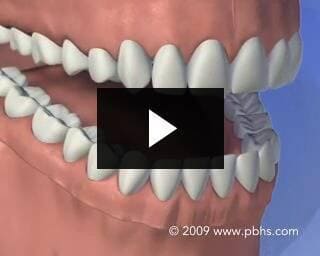
Dentures
A denture or a complete denture as it is often called, is an appliance that is inserted in the mouth, replaces natural teeth and provides support for the cheeks and lips.
Most dentures are made of acrylic and can be fabricated two different ways.
- A conventional denture is made after all teeth have been extracted and the tissues (gums) have healed.
- An immediate denture is fabricated and inserted immediately after the teeth are extracted and the tissues are allowed to heal under the denture.
- An upper denture has acrylic, usually flesh colored, that covers the palate (roof of the mouth).
- A lower denture is shaped like a horseshoe to leave room for the tongue.
The teeth are made of plastic, porcelain or a combination of both. Dentures can be fabricated to fit over endodontically treated teeth and a complete denture can be attached to dental implants to allow for a more secure fit of the appliance.
Dentures over a normal course of time will wear and need to be replaced or relined in order to keep the jaw alignment normal. The alignment will slowly change as the bone and gum ridges recede or shrink due to the extraction of the teeth. Regular dental examinations are still important for the denture wearer so that the oral tissues can be checked for disease or change.

Invisalign
Zoom whitening